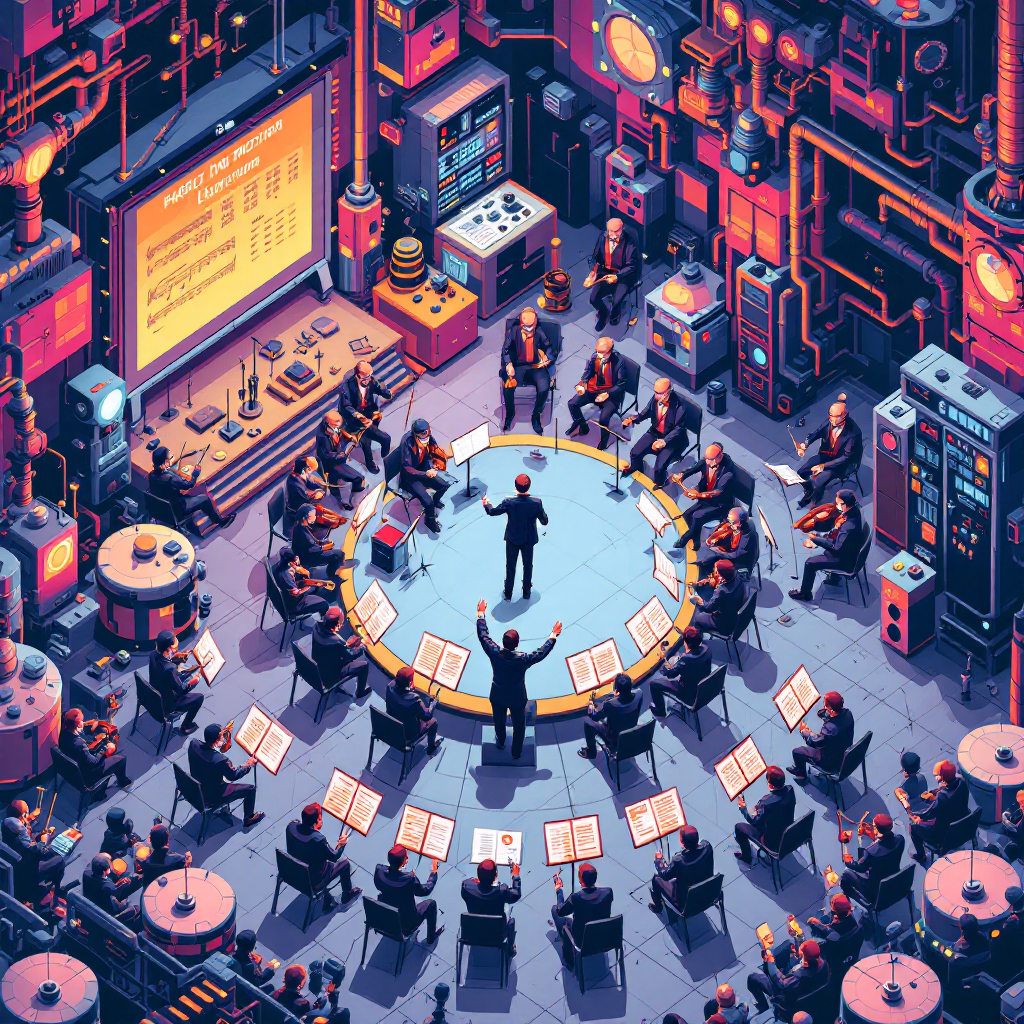
Systems Thinking Over Prompting
The capability ceiling lifted, but the frustration remained. Two years of optimizing AI usage through better prompting and tool selection created fluent individual contributors. Engineers produce more code. Non-technical disciplines adopt AI workflows rapidly. Yet everyone feels behind, convinced the person next to them discovered some secret technique they missed.
The secret isn’t technique. The bottleneck moved while we were solving the previous problem. Models became exponentially more capable, but our mental frameworks remained static. We kept optimizing for capability when the constraint shifted to systems thinking and cognitive architecture. The tools are commoditized—everyone uses Claude, Gemini, Notebook LM. The differentiator isn’t better prompts or different platforms. It’s how you think about orchestrating multiple agents in complex workflows.
This cognitive shift requires abandoning individual contributor identity in favor of engineering management thinking. Not metaphorically. Operationally. The mental models that built careers around personal craft need upgrading to handle agent coordination, quality control across autonomous systems, and strategic depth switching between abstraction levels. The practices that follow aren’t capabilities to acquire. They’re architectural thinking patterns that compound over time.

Managing Agent Teams, Not Writing Code
The engineering manager analogy maps precisely onto AI workflow design. You become responsible for overall quality, team coordination, and successful shipping from multiple autonomous contributors. The difference: your team consists of tireless agents prone to confident incorrectness rather than humans with judgment and context.
This operational shift requires establishing clear guardrails, endpoints, and mission definitions that replicate successfully across agents. Unlike human teams that develop institutional knowledge, agents start fresh each session. Your systems thinking must encode what experienced human teams carry implicitly.
Add to CLAUDE.md:
Operate as if I am managing you as part of a team of agents. I am responsible for overall quality, clear guardrails, endpoints, mission definition, and replicable success criteria. Expect me to provide: 1) Clear mission scope, 2) Definition of done, 3) Quality standards to meet. Ask clarifying questions to ensure you have these before starting work.
The identity grief is real. If you built career value on personally writing perfect code or crafting comprehensive product requirements, this transition feels like loss. Something fundamental changes when your leverage comes from coordinating rather than creating directly. But the coordination unlocks unprecedented work volume when approached systematically.
The management mindset extends beyond individual technical roles. Product managers, designers, and business analysts all need this cognitive architecture upgrade. The pattern scales: define clear objectives, establish quality criteria, coordinate autonomous contributors, maintain accountability for outcomes.
Add to CLAUDE.md:
Distinguish between two types of architecture in my requests: 1) Technical patterns (conventions, standards, rules) - you can implement these directly. 2) Taste/coherence/vision (quality without a name) - flag these for my human judgment. When I ask for something involving product feel, user experience quality, or aesthetic coherence, explicitly ask me to provide the human vision before proceeding.
This architectural awareness prevents agents from making decisions they shouldn’t own. Technical patterns can be implemented directly. Product coherence and aesthetic judgment require human vision that agents can then execute against.
Bypassing Premature Structure
The contribution badge represents legacy thinking that costs velocity. We instinctively want to bring comprehensive preparation to AI interactions, feeling ownership requires pre-thinking and organization. This worked when models needed extensive setup. Current models handle unstructured input better than humans pre-organize it.
Progressive intent discovery works best with messy starting points. Your comprehensive upfront effort often becomes premature structure and noise. The models excel at working from unclear requirements toward refined specifications through iteration. Fighting this capacity by over-preparing wastes the compound benefits of collaborative refinement.
Create /start-unstructured command:
Takes raw, unorganized thoughts and requirements directly to progressive intent discovery. Uses prompts like “I have a fuzzy idea about…” and “Help me discover what I actually want to build.” Bypasses preparation urges to leverage Claude’s strength with unstructured input. Routes immediately to collaborative specification development.
The technical exception applies to complex builds requiring clear specifications upfront, like Cursor workflows that value detailed technical requirements. But most work benefits from starting messier and refining through agent collaboration rather than solo preparation.
This pattern requires letting go of professional instincts around comprehensive preparation. The models improved faster than our habits updated. What felt like necessary rigor became workflow friction that slows modern AI interactions.
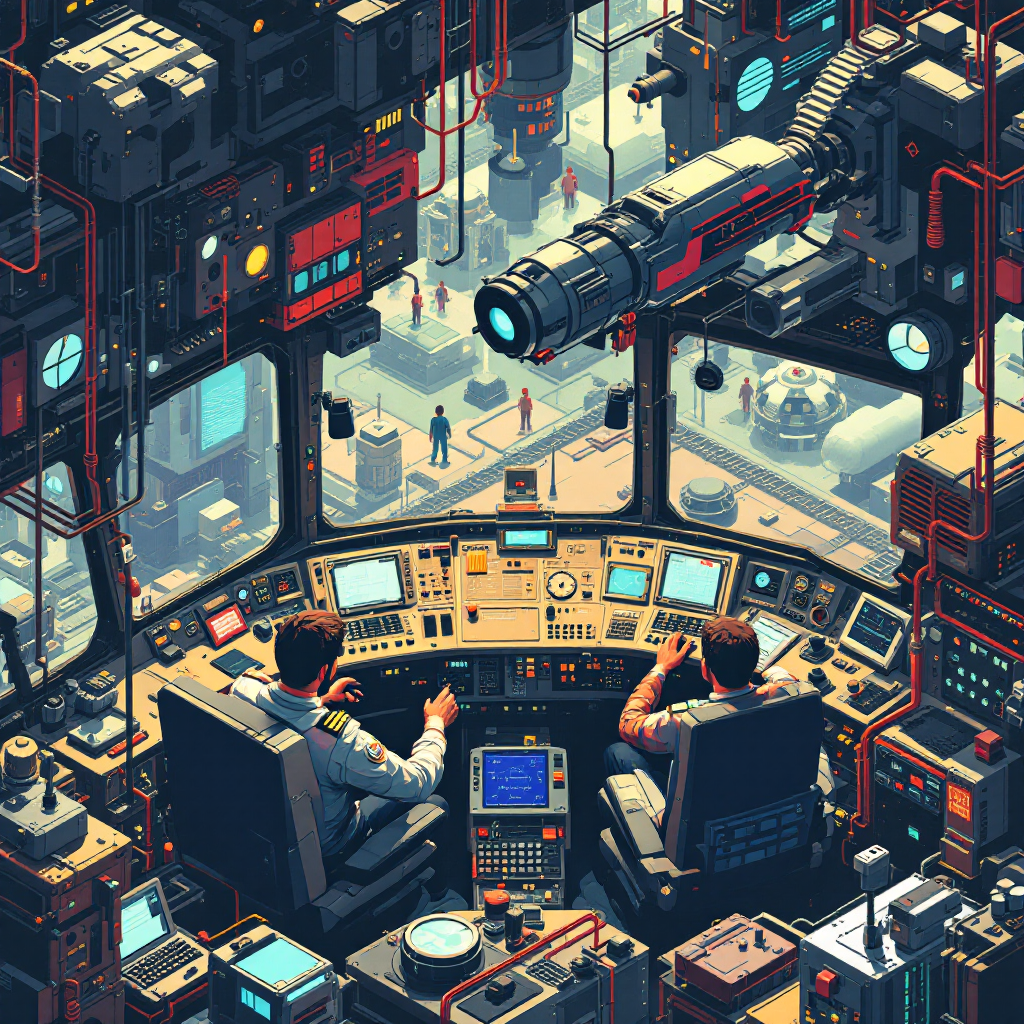
Strategic Depth Control
The discourse around AI-assisted development created false binaries: understand every line of code versus accept incomprehensible outputs. Neither approach scales for complex system building. Strategic builders develop fingertip control over abstraction levels, switching altitude deliberately based on what matters for the specific problem.
Create altitude-control skill:
The skill provides commands to zoom between system architecture (high-altitude) and implementation details (low-altitude). High-altitude focus: agent coordination, business logic, system patterns. Low-altitude focus: specific code review, debugging, implementation details. Includes prompts for each level and guidance on when to switch altitude.
Product managers traditionally cruised at higher abstractions while engineers worked lower. AI workflows require everyone to pull their mental model up and down dynamically. You need to descend into specific code when checkout experiences break, then ascend to understand the agentic prompting pattern causing systemic issues.
The worst practitioners stay permanently at one altitude. High-level builders ship features without understanding what they built, creating archaeological programming that future developers must excavate. Low-level builders get stuck in implementation details, missing architectural patterns that would prevent recurring problems.
Strategic depth switching requires training your brain to think differently about problem-solving scope. This cognitive flexibility distinguishes builders who create maintainable systems from those who optimize for immediate output.
Temporal Workflow Separation
Most builders mix execution and reflection, reducing both effectiveness. Flow state requires different cognitive architecture than learning and improvement. Attempting both simultaneously creates context switching that degrades agent coordination and prevents systematic workflow enhancement.
Implement temporal separation pattern:
Split AI work into distinct phases: 1) Flow state - rapid building, agent coordination, feature shipping focused on execution velocity. 2) Reflection state - review successful patterns, analyze failed prompts, identify agent coordination improvements, plan workflow upgrades. Schedule reflection blocks after every 2-3 hours of flow work.
The separation prevents endless agent cycling without systematic improvement. Flow state optimizes for throughput. Reflection state converts experience into compound learning that improves future flow sessions. Most builders skip reflection entirely, missing the optimization loop that distinguishes top performers.
Create workflow-analyzer subagent:
Input: Completed AI work session logs and outputs. Process: Analyzes successful prompts, identifies stuck patterns, calculates time waste on preventable problems. Output: Weekly reports with specific improvements for prompts, agent coordination, and workflow optimization. Maintains learning log across sessions for pattern recognition.
The subagent systematizes reflection that manual review often misses. It converts AI workflow experience into actionable improvements rather than just increased output volume.
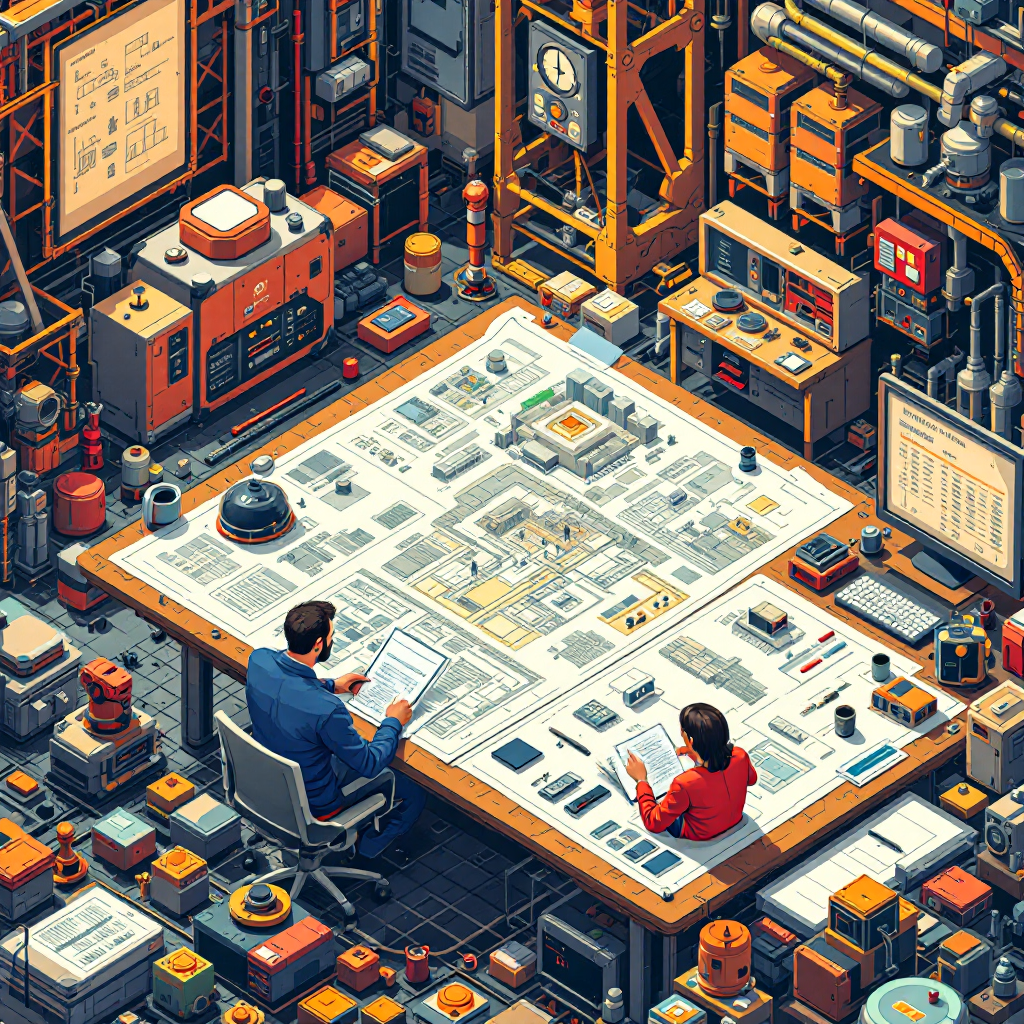
Implementation Architecture
These patterns require coordinated implementation rather than isolated adoption. The engineering manager mindset needs agent coordination tools. Strategic depth control requires reflection mechanisms. Temporal separation needs systematic learning capture.
The workflow emerges through practicing the mindset shifts together. Managing agents effectively requires understanding when to dive deep and when to stay architectural. Reflection sessions improve flow state effectiveness. The components reinforce each other when implemented as an integrated system.
Create workflow coordination pattern:
Morning setup: Define agent team objectives, quality criteria, and coordination protocols. Flow blocks: Execute with altitude control and agent management patterns. Reflection blocks: Analyze patterns with workflow-analyzer subagent. Weekly review: Update CLAUDE.md instructions based on learning patterns. Monthly architecture review: Upgrade coordination patterns and agent management techniques.
This creates systematic improvement cycles that compound over time rather than just increasing immediate output.
The Synthesis
The bottleneck shift from capability to systems thinking creates architectural requirements that pure prompting optimization cannot address. Individual contributor skills remain necessary but insufficient. The management mindset, unstructured engagement, strategic altitude control, and temporal separation solve different aspects of the same fundamental problem: coordinating multiple autonomous agents in complex workflows while maintaining systematic improvement.
The cognitive architecture upgrade requires abandoning contribution badge identity in favor of systems orchestration. This isn’t just process change—it’s rethinking how work gets done when your team consists of tireless, confidently incorrect agents rather than experienced humans. The builders who internalize this shift first create sustainable competitive advantages that compound through better agent coordination and systematic workflow improvement rather than just better individual techniques.